
What Marty Supreme Teaches Us About Attention and Entertainment
In a world overloaded with advertising, attention is scarce.
The campaigns that cut through aren’t just seen; they’re experienced.
They enter the cultural conversation by entertaining people.
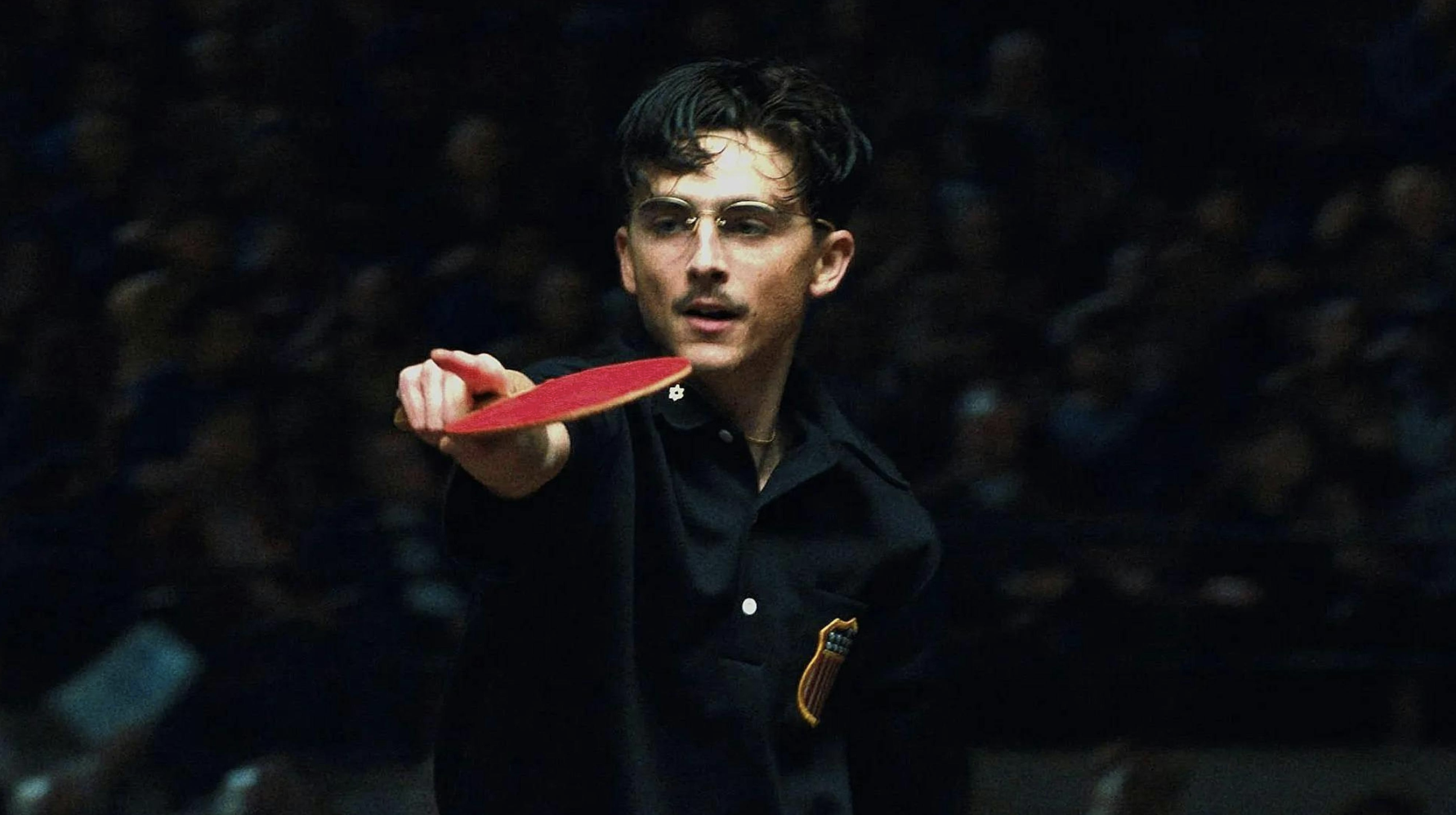
The campaign for Marty Supreme is a perfect example. A24, the studio behind the film, and star Timothée Chalamet have built a marketing moment that is bold, playful, and shareable, demonstrating a principle we live by at elevenfiftyfive: attention is earned by entertaining people, not interrupting them.
Marketing as entertainment
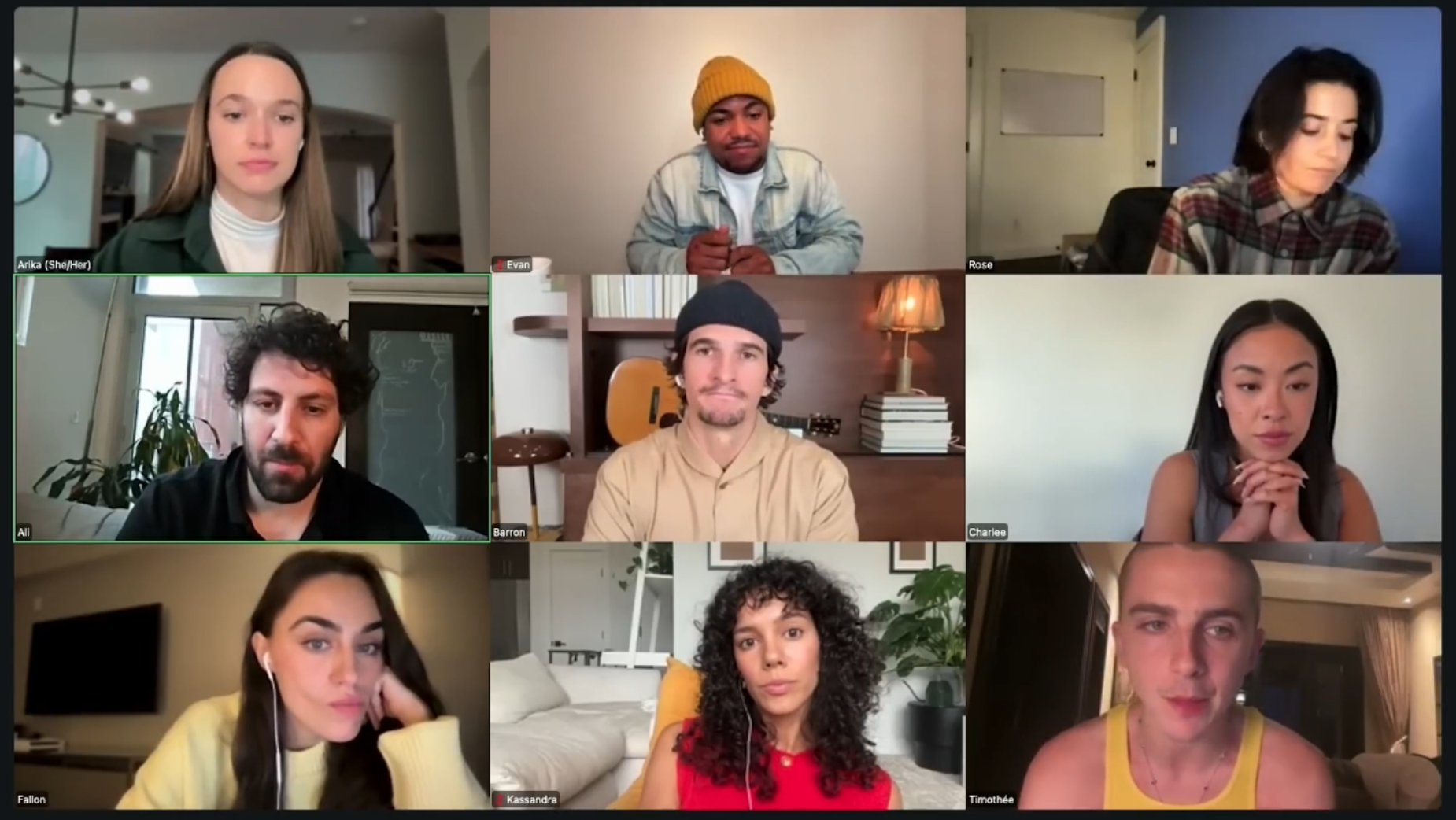
Rather than releasing a standard trailer or poster, the campaign launched with an 18-minute Zoom sketch in which Chalamet plays an over-the-top client pitching absurd stunts: painting landmarks orange, raining ping-pong balls from blimps, and more.
It’s not an ad; it’s a performance. People watched it because it was funny, strange, and compelling. The result?, it was shared voluntarily and at scale. That’s how marketing enters “the conversation.” It’s entertainment first, promotion second.
Merch as cultural touchpoint
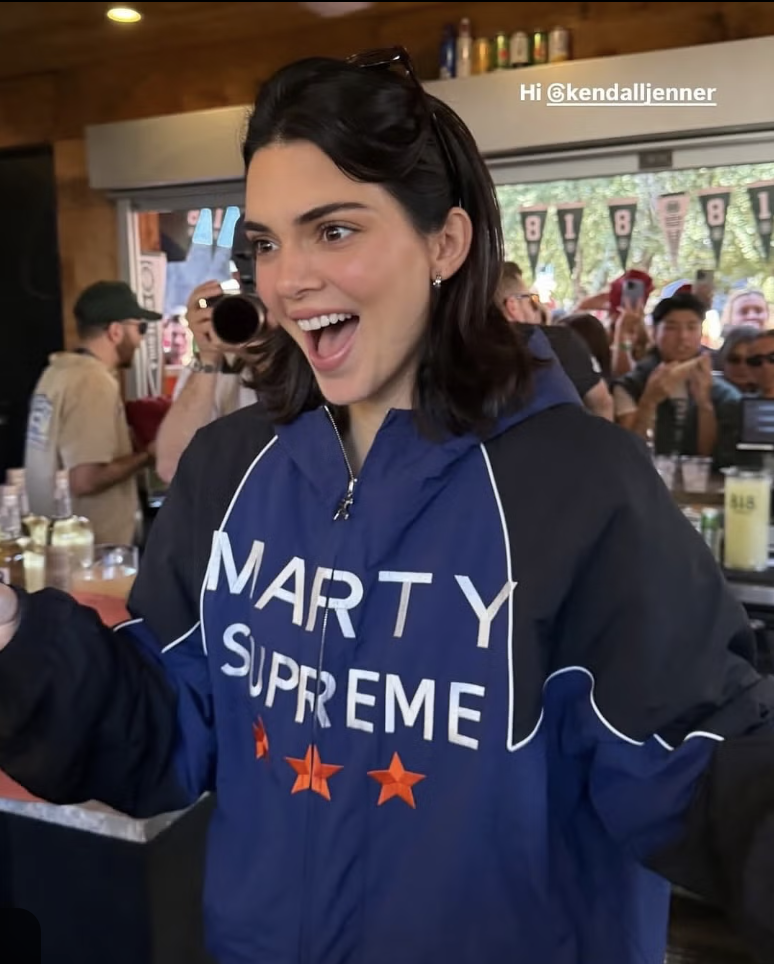
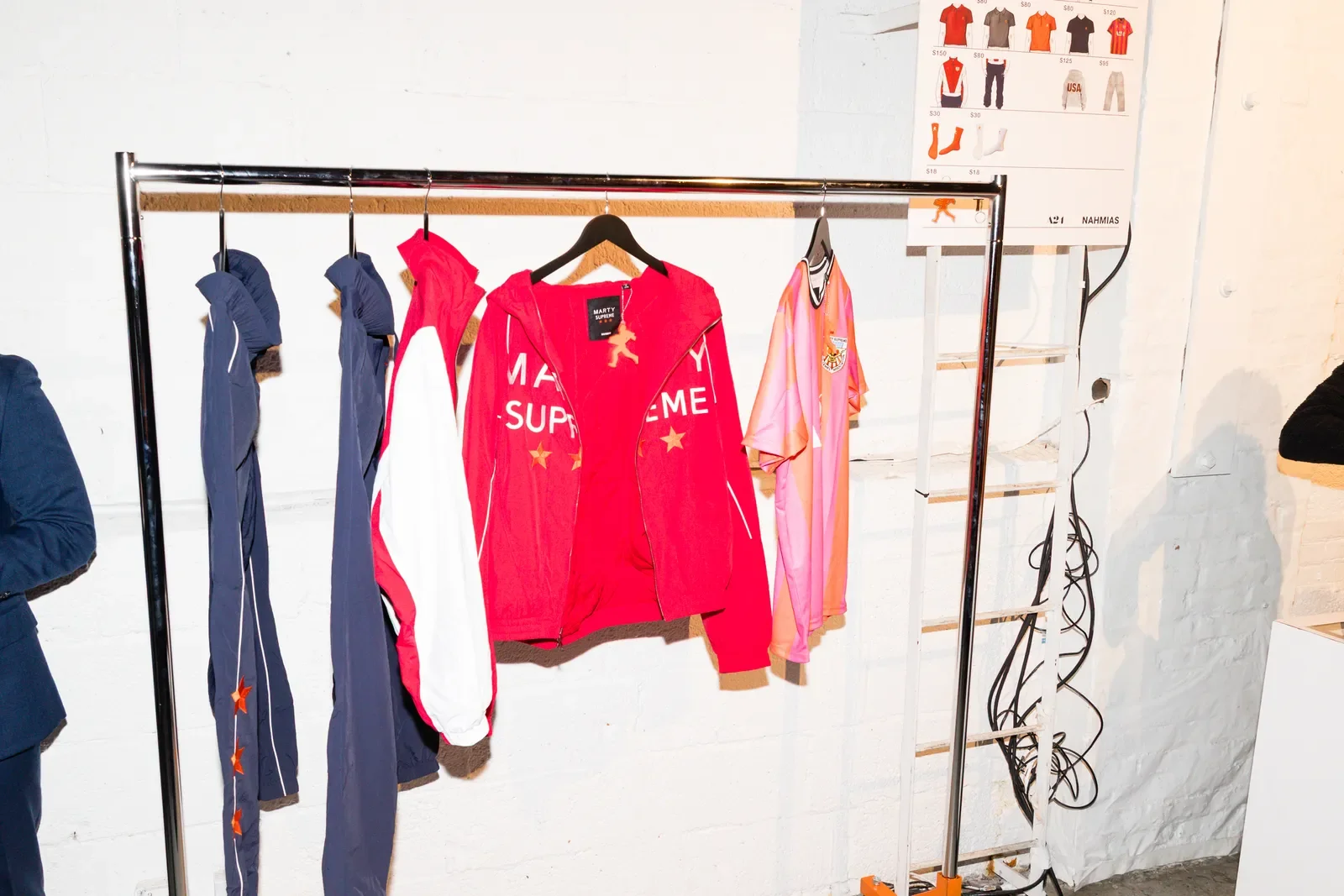
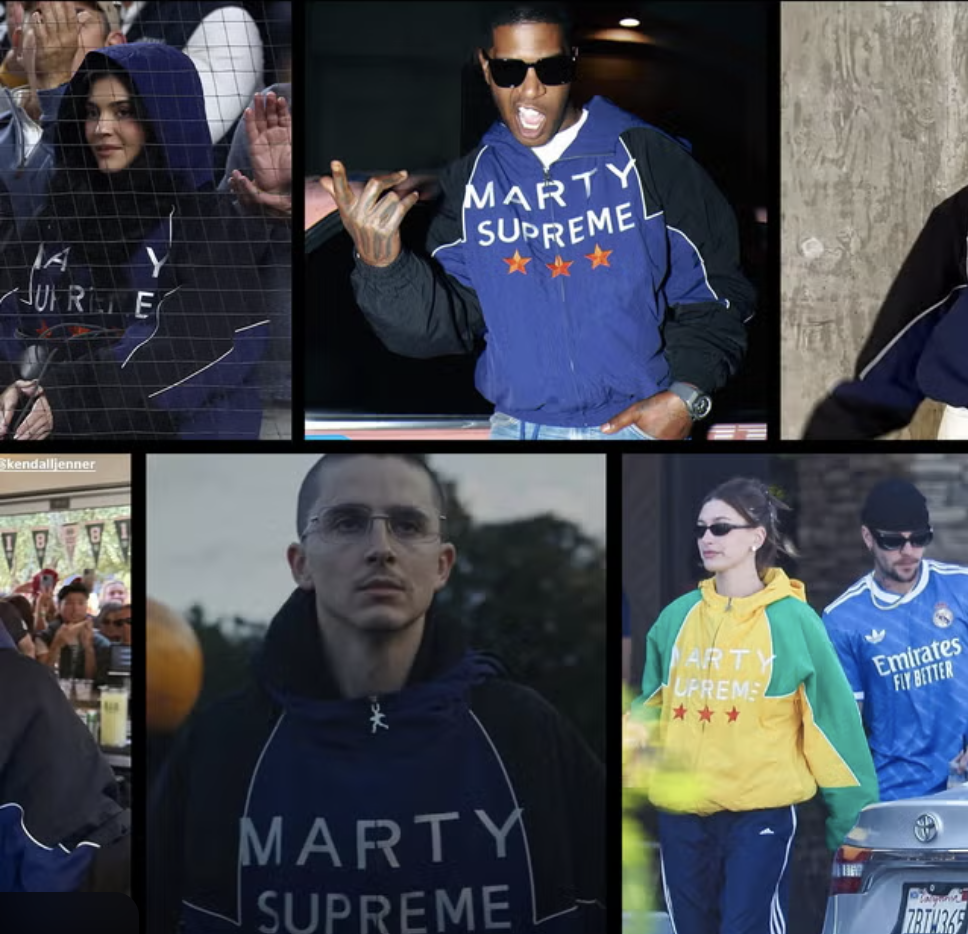
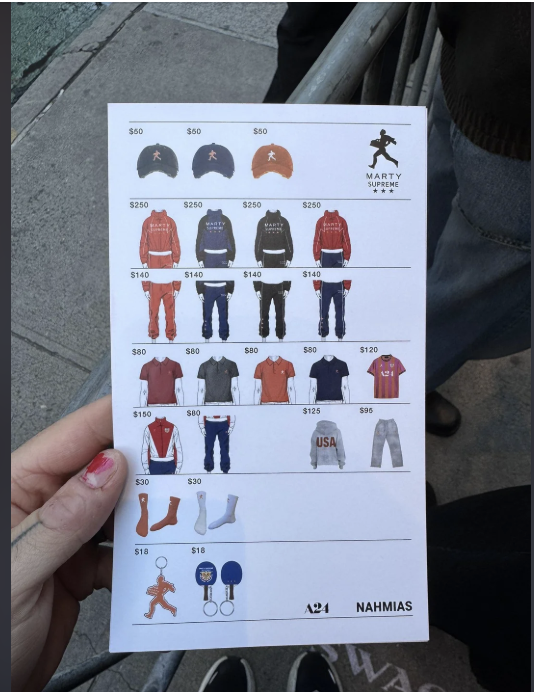
A critical element of the campaign is the merchandise. Timothée Chalamet collaborated on items ranging from A24-branded soccer jerseys to the viral windbreaker, snapped up by fans and celebrities alike. The jacket has become iconic, appearing on Kylie Jenner, Kid Cudi, and countless social feeds.
High quality and thoughtful merch is a tactic we value highly and is often core to campaigns we run on MASSIVE Cinema. The merch is more than product; it’s a signal of cultural belonging. Fans wearing the jacket aren’t just buying clothing, they’re participating in the larger conversation around the film. This aligns perfectly with our thinking at elevenfiftyfive: the aim isn’t just awareness, it’s creating moments people want to be part of.

Creating a world, not a campaign
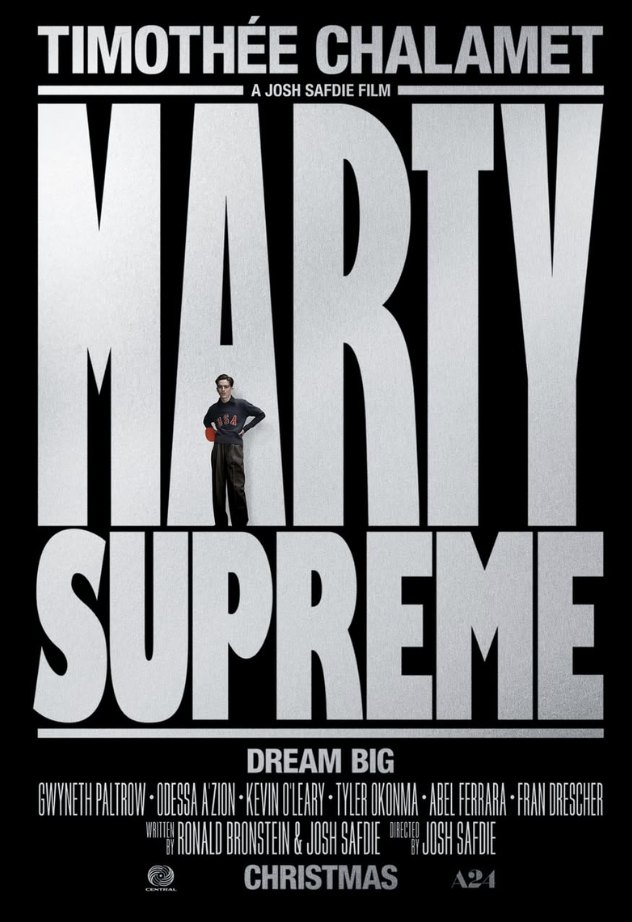
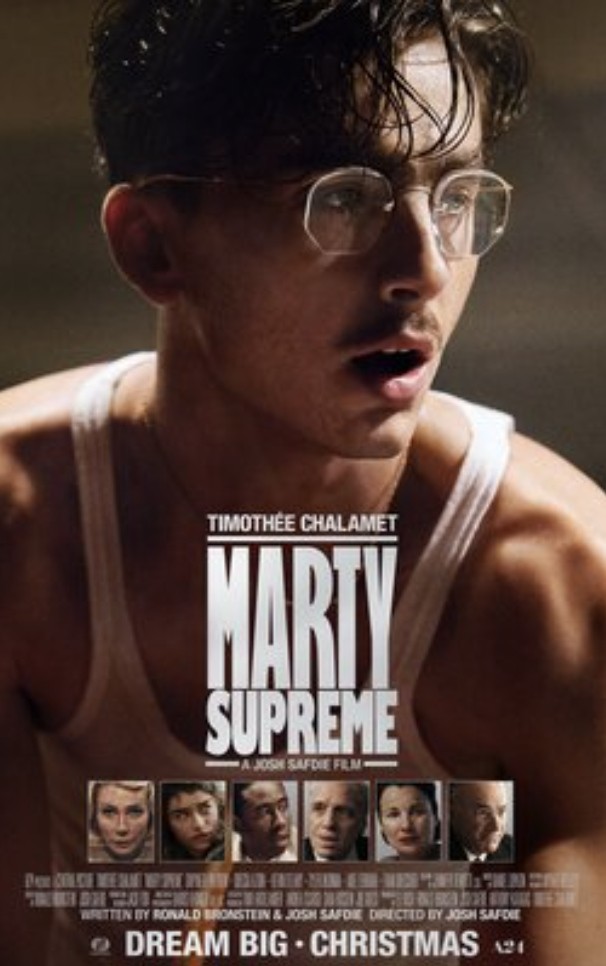
From bold graphics to pop-up activations, the campaign establishes a distinct aesthetic and vibe. This “world-building” ensures that every interaction, whether online, IRL, or via merch, feels like part of the same story.
Much like our work, A24 doesn’t just sell products; it sells identity. Every object, every activation is a talisman of culture. That’s what makes people share, talk, and engage. It’s how you enter the conversation authentically.
Spectacle and participation
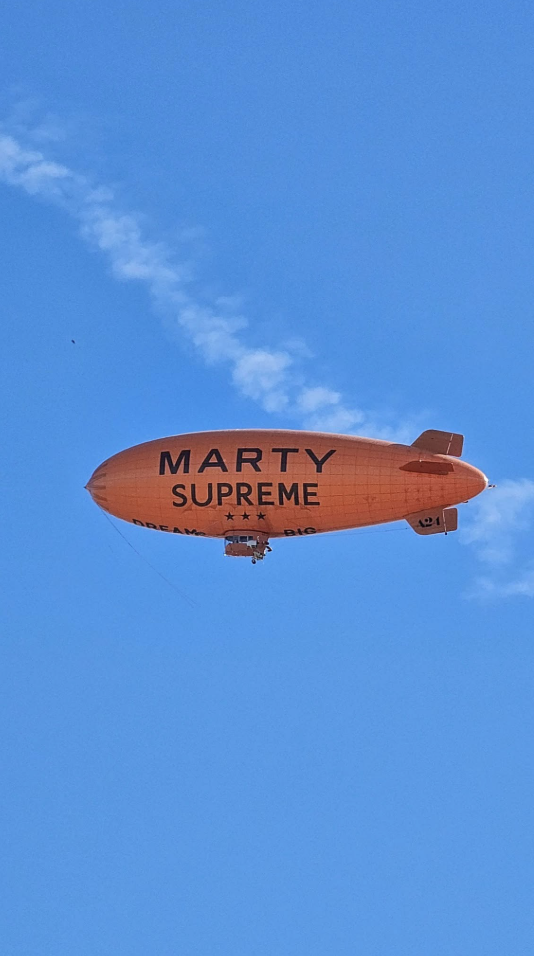
From the orange blimp to limited-edition merch drops, every element of the campaign invites reaction. People are sharing memes, posting photos, lining up for drops. The campaign becomes a lived experience, not a passive ad.
This is a core lesson here? Give people something worth talking about, and attention spreads naturally.
so what can we learn from this?
Be entertaining first. If people choose to engage, they’ll amplify your work.
Build a world, not a campaign. Consistency across visuals, content, and activations ensures cultural resonance.
Make merch meaningful. Objects should act as talismans of belonging, not just products.
Use talent creatively. Let collaborators lean into the narrative, not just act as spokespeople.
Create participatory moments. If people can play, wear, or share, the conversation grows.
in conclusion
Marty Supreme proves that campaigns cut through when they entertain and participate in culture. The campaign doesn’t just promote a film; it creates a conversation, a world, and a moment people want to inhabit.
At elevenfiftyfive, we aim to do the same for our clients: create experiences and content that earn attention because they are inherently entertaining, shareable, and culturally resonant. The conversation is where attention lives — and the only way to earn it is to give people something worth engaging with.